Category: Other

Blog

What Went Down at ITW USA 2025 

We just got back from ITW USA 2025, and what an unforgettable experience it was! As we joined the global telecom crowd in full force, we weren’t just part of the buzz—we were making it. Our team made a strong impression at Booth 819, where we proudly showcased our groundbreaking Southeast Asia Hyper-Network. The response? Incredible. The HyperNetwork quickly became one of the event’s most talked-about innovations, drawing a steady stream of curious attendees, industry leaders, and future collaborators eager to learn more.  But that wasn’t all—we also took the opportunity at ITW USA 2025 to officially launch our exciting new collaboration with Orange. This partnership brings together Orange’s powerful global backbone with the flexibility and intelligence of the DCConnect NaaS platform. The result? A seamless, next-gen network solution that offers unmatched performance, reach, and agility for global connectivity.  For full details on the collaboration, check out the official announcement here: https://www.capacitymedia.com/article/dcconnect-global-orange  Over the course of the three-day event, our booth became a dynamic hub for meaningful conversations and fresh ideas. We hosted a packed schedule of collaboration meetings, engaging with partners old and new, exploring ways to expand capabilities and bring smarter, more efficient connectivity to the global stage. From spontaneous drop-ins to pre-arranged sessions, each interaction added valuable insight into what the industry needs next—and how we can be part of shaping that future. The feedback and interest we received were incredibly encouraging, reaffirming the growing demand for agile, scalable network solutions like ours. It was energizing to see so many thought leaders, innovators, and decision-makers stop by Booth 819, eager to connect and explore the possibilities together.  A big thank you to everyone who visited us at ITW USA 2025 and made this event such a memorable success. Our team is excited to continue building on the partnerships and collaborations sparked during these three days, driving innovation forward together. If you’d like to meet us in person at upcoming events or stay updated on our latest news, be sure to follow our social media channels where we regularly share our event schedule and announcements. We look forward to connecting with you soon! 

Blog

Southeast Asia Hyper-Network 

As the demand for data centers surges across Southeast Asia, we at DCConnect Global are excited to introduce our Southeast Asia Hyper-Network solutions, designed to support the growing connectivity needs of businesses like yours in this dynamic region.  Why Choose DCConnect for Your Connectivity Needs?  Strategic Locations We offer robust network solutions across key growth areas in Southeast Asia, including Malaysia, Indonesia, Vietnam, and Thailand. These regions are experiencing rapid data center development, fueled by local demand, government incentives, and expanding infrastructure.  Diverse Routes, Flexible Solutions: Our network features multiple diverse land and sea cable routes, ensuring high availability and maximum uptime. Whether your business needs cross-border connectivity, redundant paths, or localized performance, we have the right solution.  Tailored Solutions: At DCConnect, we know that each business is unique. Our solutions are designed to meet the specific connectivity requirements of businesses operating throughout Southeast Asia, ensuring optimal performance and reliability.  Expert Support Our experienced team is here to understand your needs and deliver the best-fit connectivity solutions. We’re committed to your success, every step of the way.  We invite you to reach out to us to learn more about how DCConnect can support your connectivity needs in Southeast Asia. Contact us on: alliance@dcconnectglobal.com 

Blog

SaaS, PaaS, IaaS: What Do These Even Mean?

The world of cloud computing can feel like a buzzword jungle — full of acronyms and tech-speak that’s easy to get lost in. Among the most common (and confusing) are SaaS, PaaS, and IaaS. But don’t worry — we’re here to break it all down in plain language. Let’s get started. 1. SaaS – Software as a Service Think: Ready-to-use apps in your browser. SaaS is software that you access over the internet. You don’t need to install anything or manage the infrastructure behind it — you just log in and use it. 📌 Real-life Examples: ✅ You use SaaS when: 2. PaaS – Platform as a Service Think: Tools and environments for developers to build apps. PaaS provides a platform and tools for developers to build, test, and deploy software applications. It’s like giving them a high-tech toolbox with all the parts ready to use — no need to worry about the underlying servers, databases, or operating systems. 📌 Real-life Examples: ✅ You use PaaS when: 3. IaaS – Infrastructure as a Service Think: Virtual hardware — servers, storage, and networks. IaaS provides the basic building blocks for cloud IT. You get access to virtual machines, storage, and networks — and you’re responsible for managing everything from the OS up. It’s powerful and flexible, but you need to know what you’re doing. 📌 Real-life Examples: ✅ You use IaaS when: 📊 Quick Comparison Feature SaaS PaaS IaaS Users End users Developers IT administrators You manage Nothing Apps & data Everything but hardware Flexibility Low Medium High Examples Gmail, Zoom, Trello Heroku, Google App Engine AWS EC2, Azure VM 🧠 In Summary Each “as-a-service” model gives a different level of control, flexibility, and responsibility. Whether you’re just streaming a show or deploying a complex enterprise system — you’re probably already using one of these cloud models every day.

Blog

🇯🇵 How Japan Built One of the Coolest Telco Infrastructures on the Planet

Japan’s telecom industry is globally admired not just for its speed and stability, but for how it has been shaped by bold policies, innovation culture, and forward-thinking investments. From its early adoption of digital networks to leading developments in next-gen wireless and smart infrastructure, Japan has created one of the most resilient and advanced telco ecosystems in the world. 1. A Strong Historical Foundation The country began building its telecommunications backbone as early as the 19th century, starting with telegraph lines. These early developments laid a critical foundation for what would later become a sophisticated and expansive digital network. Strategic restructuring of state-owned operations during the post-war period also helped lay the groundwork for a future-ready industry. 2. Broadband for Everyone: Policy-Driven Growth In the late 1990s and early 2000s, Japan experienced a broadband revolution. Government-led deregulation and pricing reforms opened the doors for smaller competitors and rapid infrastructure expansion. This led to affordable high-speed internet access for millions, and pushed fiber-optic deployment to homes across the country—years ahead of many other developed nations. 3. A Global Pioneer in Mobile Internet Long before smartphones became mainstream, Japan had already introduced mobile internet services that were intuitive, content-rich, and fast. These services became widely popular and set global trends in mobile browsing, mobile commerce, and mobile-first communication culture. 4. Building the Future with 5G and Beyond Japan has actively embraced fifth-generation wireless technology, focusing on fast, widespread deployment and low-latency connectivity. The country is now investing in next-gen research, including the development of sixth-generation (6G) wireless networks, aiming to lead in areas like immersive experiences, digital twins, and smart automation. 5. Smart Cities and Connected Infrastructure Telecom infrastructure in Japan is tightly integrated with urban planning and development. From smart traffic systems to real-time disaster alerts, connectivity plays a key role in enhancing safety, efficiency, and quality of life. Edge computing and IoT technologies are widely tested in public spaces and utilities. 6. Strengthening Global Connectivity Japan continues to strengthen its international digital presence by investing in undersea cable systems that improve internet reliability and speed between Asia, North America, and Oceania. These efforts contribute not only to domestic infrastructure resilience but also to global data flow stability. 🧠 Conclusion Japan’s telecommunications journey shows how a nation can evolve from basic telegraph systems to futuristic digital ecosystems through strategic vision, innovation, and infrastructure investment. With its focus on speed, sustainability, and smart integration, Japan isn’t just keeping up with global trends—it’s often setting them.

Blog

Blockchain in 2025: From Hype to Real-World Transformation

In 2025, blockchain is no longer just a buzzword or a playground for cryptocurrency enthusiasts. It has matured into a powerful infrastructure technology that’s reshaping industries—from finance to supply chain, healthcare to gaming. As adoption deepens, the focus has shifted from speculation to practical utility, transparency, and decentralized innovation. 1. Blockchain’s Shift From Crypto to Utility While cryptocurrencies like Bitcoin and Ethereum remain popular, 2025 marks a turning point where blockchain’s non-financial use cases dominate headlines. Enterprises are deploying permissioned blockchains for: Private and hybrid chains (like Hyperledger Fabric, Polygon Supernets, and ConsenSys Quorum) are thriving due to enterprise demand for compliance and control. 2. Rise of Blockchain-as-a-Service (BaaS) Much like cloud computing, blockchain platforms are now offered as easy-to-deploy services: This is accelerating blockchain adoption across industries that previously lacked the technical expertise. 3. Interoperability and Multi-Chain Ecosystems 2025 has seen major strides in solving one of blockchain’s longest-standing issues: interoperability. Protocols like Polkadot, Cosmos, and LayerZero allow chains to talk to each other seamlessly. This leads to: Developers now choose the best blockchain for each component of their solution without being locked into a single chain. 4. Regulation and Institutional Involvement Governments and regulators worldwide are no longer just observers—they are participants: Increased regulation is bringing clarity and investor protection, which paradoxically is encouraging more innovation and participation. 5. The Evolution of Web3 and Ownership Web3, the decentralized internet built on blockchain, is gaining traction in 2025: The shift toward a user-owned internet is no longer a dream—it’s a growing movement. 6. Challenges Ahead Despite growth, blockchain in 2025 still faces key hurdles: However, ongoing improvements in Layer 2 solutions, auditing tools, and education are steadily addressing these issues. Conclusion: Blockchain is Here to Stay In 2025, blockchain is evolving from hype to infrastructure. It’s not just about tokens or speculation anymore—it’s about building more transparent, secure, and decentralized systems. Whether you’re an investor, developer, or business leader, understanding blockchain’s role in the new digital era is not just valuable—it’s essential.

Blog

DC Gateway Turn On Your Connectivity Like You Book Your Next Flight 

Imagine getting global, business-grade connectivity as quickly and easily as you book a flight online. That’s exactly what DC Gateway delivers. No more lengthy back-and-forth emails, quotes that take days, or provisioning cycles that drag on for weeks. With just a few clicks, you’re on your way—connecting data centers, clouds, and internet access in minutes, not months.  DC Gateway is your one single platform for everything from data center interconnection to cloud connect and instant Dedicated Internet Access (DIA). Whether you’re bridging global facilities, linking to AWS, Azure, or Google Cloud, or spinning up high-performance internet in real-time—DC Gateway does it all. End-to-end. In one place  The magic is in the simplicity  You get real-time pricing, on-the-spot availability checks, and instant provisioning, all wrapped in a user experience that’s intuitive and fast. No technical headaches. No waiting games. Just fast, reliable, and smart connectivity—as smooth as booking your next weekend getaway.  So why make global connectivity more complicated than it needs to be? With DC Gateway, your infrastructure can move at the speed of your ideas.  Book a demo at: https://www.dcconnectglobal.com/dc-gateway-portal-demo/ 

Blog

Batam’s Transformation From Transportation Hub to Digital Powerhouse 

Batam, once celebrated as a bustling transportation and manufacturing hub in Southeast Asia, is now poised to become something even more exciting—a digital powerhouse. As highlighted by Batam News Asia (2024), this Indonesian island is undergoing a rapid transformation that is drawing attention from global tech giants, data center developers, and digital entrepreneurs alike.  Why Batam? A Perfect Storm of Opportunity  The shift isn’t accidental. Batam has been strategically positioning itself for this digital leap, and here’s why it’s quickly becoming the region’s next big tech destination:  Just a short ferry ride away from Singapore, Batam is perfectly positioned to support Singapore’s digital overflow. With Singapore imposing stricter regulations on data centers due to environmental concerns, Batam has emerged as a natural extension—acting as a “digital bridge” between Singapore and Indonesia.  One of the key requirements for digital infrastructure—especially data centers—is stable, uninterrupted power. Batam boasts a strong energy grid powered by a mix of coal, gas, and renewable sources, making it ideal for high-demand operations.  Connectivity is everything in the digital world, and Batam delivers. The island is plugged into global internet networks through a web of submarine cables and high-speed fiber optics, ensuring fast and reliable data transfer across continents.  Unlike many parts of Southeast Asia, Batam lies safely outside the volatile Pacific Ring of Fire. This geographic advantage significantly reduces the risk of natural disasters, offering peace of mind to businesses investing in long-term digital infrastructure.  Batam’s Special Economic Zone (SEZ) status gives businesses a significant leg up. With streamlined regulations, tax incentives, and proactive government support, setting up shop in Batam is easier than ever.  Seizing the Digital Moment  As the demand for technological talent and sustainable digital solutions grows, Batam is stepping up to meet the challenge. Its evolution into a digital ecosystem is not just good news for tech companies—it’s a beacon for investors, developers, and enterprises looking to future-proof their operations in Southeast Asia.  Ready to Ride the Digital Wave?  If your business is looking to capitalize on Batam’s digital transformation, we’re here to help you get started.  Contact us at alliance@dcconnectglobal.com to explore opportunities and partnerships. 

Blog

Choose Your Fighter:  WebPricing or DC Gateway 

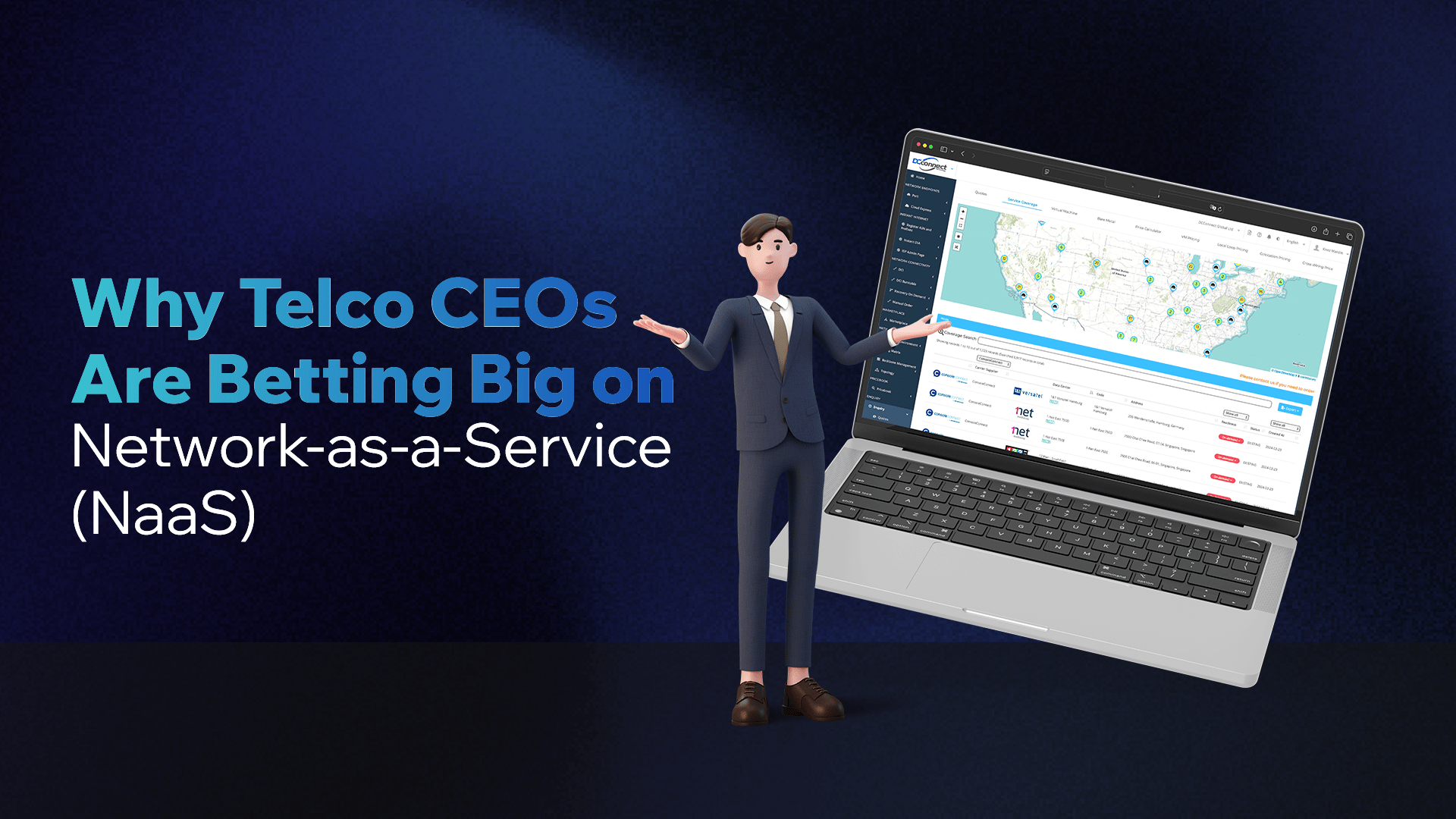
Imagine a PlayStation game where players choose their hero to conquer challenges. In this blog, our heroes are WebPricing and DC Gateway, two powerful contenders in the NaaS arena. Let’s explore how these platforms can suit your needs and help you sell faster and smarter.  The NaaS Arena  Telecom businesses operate in a world where agility and responsiveness are key. A NaaS platform that can provide quick quotes, efficient provisioning, and detailed insights is a game-changer. Our NaaS platform is designed to give you the edge you need to excel in the telecom market.  Meet Your Fighters  1. WebPricing  2. DC Gateway  Choosing between WebPricing and DC Gateway depends on your specific telecom needs and preferences. Whether you choose WebPricing for its accessibility and speed or DC Gateway for its detailed insights and premium services, both platforms are designed to help you sell telecom services faster and smarter. To see which platform is the perfect fit for your business, why not book a demo? Our team will guide you through the features and benefits of each, ensuring you make an informed decision.  Book a demo today at: https://www.dcconnectglobal.com/dc-gateway-portal-demo/ 

Blog

Dark Fiber vs Lit fiber

In the world of fiber optic networks, businesses often face a choice between dark fiber and lit fiber. Understanding the differences between these two options can help you make an informed decision that aligns with your company’s needs and goals. In this blog post, we’ll explore what dark fiber and lit fiber are, their advantages and disadvantages, and which might be the best fit for your business. What is Dark Fiber? Dark fiber refers to unused fiber optic cables that are available for lease. These cables are “dark” because they do not have any active equipment attached to them. When you lease dark fiber, you are responsible for “lighting” it by installing and managing the necessary equipment. Advantages of Dark Fiber: Disadvantages of Dark Fiber: What is Lit Fiber? Lit fiber, on the other hand, is managed by service providers. It comes with active equipment and is ready to use, making it a plug-and-play solution. The service provider handles all aspects of the network, including maintenance and upgrades. Advantages of Lit Fiber: Disadvantages of Lit Fiber: Which is Right for Your Business? Choosing between dark fiber and lit fiber depends on your business’s specific needs. If you require full control over your network and have the technical expertise to manage it, dark fiber might be the better option. However, if you prefer a hassle-free solution with predictable costs, lit fiber could be the way to go. Both dark fiber and lit fiber have their own set of advantages and disadvantages. By understanding these differences, you can make a more informed decision that aligns with your business goals. Whether you choose dark fiber for its control and scalability or lit fiber for its ease of use and maintenance, the right choice will depend on your unique requirements.

IP transit enables data to travel across multiple networks.
Blog

How Does transit work

In the vast digital landscape, seamless connectivity is essential for businesses and individuals alike. At the heart of this connectivity lies a fundamental concept known as IP transit. But what exactly is IP transit, and how does it work? What is IP Transit? IP transit, also known as internet transit, is a commercial service that enables data to travel to its intended destination by traversing multiple networks. Essentially, it allows Internet traffic to move from one network to another, ensuring seamless connectivity and communication. How Does IP Transit Work? IP transit works at the level of backbone networks using a protocol called Border Gateway Protocol (BGP). The internet is a global network of interconnected public networks known as autonomous systems (AS), which use BGP to direct traffic between them. Each AS is assigned a unique Autonomous System Number (ASN) to identify them on the network and blocks of IP addresses to identify their network devices. When a customer connects to an IP transit provider’s network using BGP, they pay a transit fee to access the provider’s network, opening up high-capacity access to the whole internet. Benefits of IP Transit IP transit is integral to the global network infrastructure, bridging the gap between internal, private networks and the vast public Internet. By providing full access to the Internet, IP transit ensures that businesses, service providers, and end-users can connect and communicate without barriers, maintaining the efficiency and reliability of Internet connectivity. Understanding how IP transit works is crucial for businesses that rely on robust and reliable internet connectivity. By leveraging IP transit, organizations can ensure seamless data flow across the internet, enhancing their operational efficiency and global reach.